Non-pharmacologic interventions for prevention and treatment of hypertension.
1-Weight loss
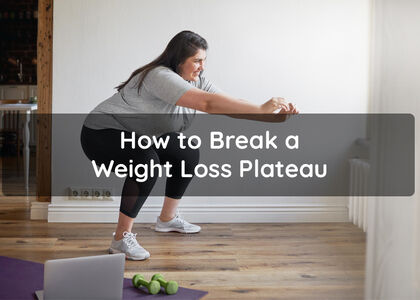
Aim for at least a 1 kg reduction in body weight. Expect about 1 mmHg for every 1 kg reduction in body weight.
2- Healthy Diet
Consume a diet rich in fruits, vegetables, whole grains, and low-fat dairy products, with reduced content of saturated and total fat.
3-Reduced intake of dietary sodium
- Switch to low sodium salt e.g. ‘Lo Salt’.
- Optimal goal is <1500 mg/day.
- Avoid foods high in monosodium glutamate (MSG) content. Also avoid high salt food such as crisps and soya sauce.
4- Physical Activity
You should aim to do gentle Aerobic exercise at least 90-150 minutes every week, including activities such as swimming, walking, jogging, running or cycling- Choose your preferred one to lead an active life. Always consult with a medical practitioner before commencing on a new exercise regime.
In addition, you should add Dynamic resistance exercises to your routine, which includes exercises like body squats, climbing stairs, doing knee push-ups or performing bicep curls.
5-Moderation in alcohol and caffeine intake
In individuals who drink alcohol, stop alcohol, or at least reduce consumption to:
- Males: ≤2 drinks daily.
- Females: ≤1 drink daily.
- Stop all caffeine and switch to decaffeinated tea and coffee.
6- Garlic supplements
Take 1 odourless garlic tablet every morning (e.g. from any chemist)
7- Avoid dehydration
Drink plenty of fluids, minimum 1.5-2 l/ day.
If your blood pressure is still high after implementing all these changes for 2 weeks, you are advised to see your GP for further assessment.
References
Can high blood pressure go back to normal?
Yes, in many cases. Early-stage hypertension often responds well to lifestyle changes alone. Losing excess weight, reducing sodium intake, exercising regularly, managing stress, and limiting alcohol can lower readings by 10 to 20 mmHg, which is sometimes enough to bring blood pressure back within the normal range. The key word is sustained. These changes need to be maintained long-term. If lifestyle adjustments are not sufficient, medication prescribed by your doctor can bring levels under control alongside ongoing healthy habits.
Can you permanently reverse high blood pressure?
Permanent reversal is rare once hypertension has been established for a prolonged period. What is achievable is long-term management that keeps your blood pressure consistently within healthy limits. For people whose hypertension is linked to excess weight, losing even 5 to 10% of body weight can significantly reduce readings. Some patients reach a point where medication is no longer needed, though ongoing lifestyle management remains necessary. A clinician-supervised weight loss programme can address one of the most common root causes.
What is the silent killer of blood pressure?
High blood pressure itself is known as the silent killer. It rarely produces noticeable symptoms until it has already caused damage to your heart, kidneys, brain, or blood vessels. Many people live with dangerously elevated readings for years without realising it. That is why regular blood pressure checks matter, particularly if you carry excess weight, have a family history of hypertension, or lead a sedentary lifestyle. Early detection through routine monitoring is the most effective defence.
Is it possible to live long with high blood pressure?
Yes, provided it is properly managed. Uncontrolled hypertension significantly raises the risk of heart attack, stroke, kidney disease, and vascular dementia. But patients who keep their blood pressure within target ranges through medication, diet, exercise, and weight management can live full, active lives. The risk comes from ignoring it, not from having it. Regular monitoring, a healthy weight, and clinical support form the foundation of a safe long-term outlook for anyone diagnosed with high blood pressure.