Losing a significant amount of weight is a major achievement, but many people are left with loose or sagging skin that knocks their confidence. This article explains why skin laxity happens after weight loss, what non‑surgical and surgical options exist, and how we approach treatment planning at Cavendish Clinic.
1. Why does loose skin happen after weight loss?
When you gain weight, the skin stretches gradually to accommodate extra volume beneath it. Over time, collagen and elastin fibres in the skin can become weakened, particularly if weight gain has been present for years, if you smoke, or if you have genetic or hormonal tendencies to poorer elasticity. After substantial weight loss, the fat volume reduces but the stretched “envelope” of skin may not fully shrink back.
Rapid or medication‑assisted weight loss, such as with GLP‑1–based programmes, can make this more noticeable because the skin has less time to adapt. Patients often describe feeling “deflated” – slimmer in clothes, but bothered by crepey texture, folds, or sagging around the face, arms, breasts, abdomen and thighs. Age also plays a role: the older we are, the less elastic the skin tends to be, so loose skin after weight loss is typically more marked in patients in their 40s, 50s and beyond than in someone in their 20s.
2. Common areas of skin laxity after weight loss
Although every body is different, there are certain areas where skin laxity commonly appears after significant weight loss:
- Face and neck – loss of facial fat can reveal jowls, deeper nasolabial folds, hollowing under the eyes and a looser jawline and neck (“Ozempic face” or “weight‑loss face”).
- Upper arms – the underside of the arms can develop a “batwing” appearance, with loose, hanging skin that moves independently of the muscle beneath.
- Breasts and chest – breast volume often reduces with weight loss, leaving a flatter, lower or “emptier” appearance and, in some cases, stretched skin or areola position changes.
- Abdomen – patients may develop an overhanging “apron” (pannus) of skin, horizontal folds or general laxity and wrinkling, particularly after pregnancies or very large weight changes.
- Thighs and buttocks – the inner thighs can show crepey skin and folds, and the buttocks may look flatter, with sagging and dimpling rather than a lifted contour.
Some patients also notice generalised changes in skin quality – a finer, more fragile texture, stretch marks that appear more obvious, and a sense that the skin simply does not “snap back” the way it used to.
3. When non‑surgical treatments can help
Non‑surgical treatments are best suited to mild to moderate skin laxity where there is still reasonable elasticity and where the priority is subtle tightening and texture improvement rather than dramatic lifting. They can also be useful as part of a maintenance plan before or after surgery. Common options include:
- Radiofrequency (RF) skin tightening – uses controlled heat to stimulate collagen remodelling in the dermis, improving firmness and fine lines over a series of sessions. This can be used on the face, neck and body.
- Microneedling and RF microneedling – combine fine needles with radiofrequency or mechanical stimulation to trigger collagen production, helping texture, mild laxity and some scarring.
- Ultrasound‑based tightening – high‑intensity focused ultrasound can target deeper layers of tissue, particularly in the face and neck, to create a subtle lifting and tightening effect over time.
- Medical‑grade skincare – while no cream can remove significant excess skin, consistent use of products containing retinoids, peptides and antioxidants, alongside sun protection, can improve surface quality and support in‑clinic treatments.
Non‑surgical options have the advantages of no or minimal downtime and no scars, but the trade‑off is that results are more modest and gradual. They are ideal if your laxity is mild, you wish to avoid surgery, or you are preparing the skin before a future surgical procedure.
4. When surgery is the better option
If you have lost a large amount of weight, especially after bariatric surgery or long‑term obesity, the degree of loose skin can be too great for non‑surgical methods to address. In these cases, surgical removal and tightening of the skin envelope is often the only way to achieve a significant, long‑lasting improvement in contour. Typical procedures include:
- Facelift and neck lift after weight loss For patients with pronounced jowls, deep folds and neck bands or loose neck skin, a facelift (often combined with a neck lift) can reposition deep tissues and remove excess skin. After weight loss, this can restore a cleaner jawline, reduce lower‑face heaviness and improve the neck profile in a way that non‑surgical treatments cannot match.
- Arm lift (brachioplasty) An arm lift removes excess skin and sometimes residual fat from the upper arms, tightening and reshaping the contour. The trade‑off is a scar along the inner arm, which is carefully positioned to be as discreet as possible when the arms are at the sides. This procedure can be transformative for patients who feel unable to wear short sleeves due to “batwings”.
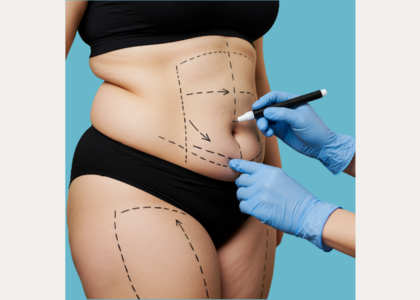
- Tummy tuck (abdominoplasty) After weight loss or pregnancy, the abdomen can be left with redundant skin and, often, separation of the abdominal muscles (diastasis recti). A tummy tuck removes excess skin and fat, tightens the underlying muscles and repositions the umbilicus where necessary, creating a flatter, smoother abdominal profile. In cases of a large overhanging skin apron, this can also improve comfort, posture and hygiene.
- Body lift and lower body lift In patients who have lost a very large amount of weight, skin redundancy may extend circumferentially around the body. A body or lower body lift can lift and tighten the abdomen, outer thighs and buttocks in one operation, improving overall contour at the cost of a longer, belt‑like scar.
- Thigh lift A thigh lift removes and tightens loose skin from the inner thighs, which can reduce chafing and improve comfort and confidence in fitted clothing. Scars are typically placed along the inner thigh and sometimes in the groin crease, depending on the pattern of laxity.
In every case, the decision to opt for surgery is highly individual. We balance the potential gains in contour and comfort against the permanence and position of scars, the recovery period, and any underlying medical considerations.
5. How I assess skin laxity after weight loss
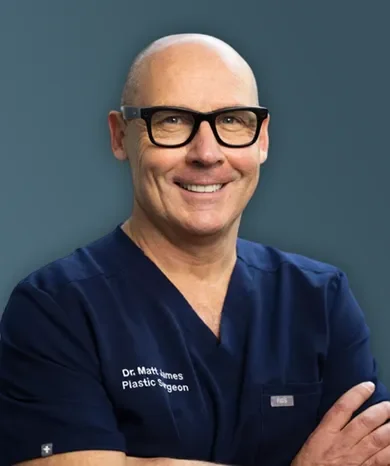
When I see a patient at Cavendish Clinic to discuss skin laxity after weight loss, I start by taking a detailed history:
- How much weight have you lost, and over what time frame?
- Is your weight now stable, or are you still actively losing?
- What methods did you use (lifestyle, medication, surgery)?
- What are your main priorities – comfort, clothing, specific areas, or overall shaping?
During examination, I look at:
- The amount and distribution of excess skin in each area.
- Skin quality (thickness, elasticity, stretch marks).
- Residual fat deposits that might benefit from non‑surgical contouring or liposuction.
- Muscle tone and, in the abdomen, any muscle separation.
For some patients, a targeted non‑surgical approach will be adequate, especially if laxity is mild and limited to one or two areas. For others, the most honest advice is that only surgery will provide the level of improvement they’re hoping for. In complex cases, we may build a staged plan – for example, prioritising the abdomen and arms first, then addressing thighs or face at a later date.
6. How CoolSculpting fits into post‑weight‑loss plans
CoolSculpting cannot remove excess skin, but it can still play a role after weight loss in carefully selected patients. If, after weight reduction, you are left with small pockets of resistant fat in specific areas and your skin quality is still relatively good, CoolSculpting can help smooth bulges and refine contour without surgery.
However, if laxity is significant, further fat reduction can sometimes make the appearance of loose skin more pronounced. In those situations, I will usually advise addressing skin redundancy first – either with surgery or tightening treatments – and being cautious about any additional fat loss in that region. The most effective plans often combine:
- Medical weight loss (where appropriate).
- Non‑surgical tightening for mild laxity and texture.
- Targeted surgery for significant excess skin.
- Contouring (with or without CoolSculpting) as a final finishing stage.
7. Facelift after weight loss – specific considerations
Weight loss can be particularly visible in the face. While this can improve certain aspects – such as reducing heaviness in the cheeks – it may also unmask deeper lines, jowls and neck laxity. When planning a facelift for someone who has lost weight, I pay particular attention to:
- Volume loss – many patients benefit from combining facelift surgery with careful fat grafting or fillers to restore depleted volume in the mid‑face or temples.
- Skin quality – sun damage, age and weight history all influence how well the skin will redrape; adjunctive treatments such as laser or medical skincare may be recommended.
- Neck contour – significant laxity or banding in the neck often calls for a combined face and neck lift to achieve harmonious improvement.
A facelift after weight loss is not about creating a different face; it is about restoring more youthful, harmonious proportions while respecting your natural features. The goal is always a refreshed, lifted version of you – not a “wind tunnel” look.
8. Preparing for treatment – timing and expectations
If you are considering any skin tightening or surgical procedure after weight loss, timing and expectations are crucial:
- Wait until your weight is stable – operating while weight is still fluctuating can compromise results; I usually recommend at least 6–12 months of stable weight before major body‑contouring surgery.
- Optimise your health – stopping smoking, controlling blood pressure or diabetes, and ensuring good nutrition all reduce risks and support healing.
- Understand scars and recovery – we will discuss exactly where scars will be, what they may look like long‑term, and what recovery and time off work or exercise you should plan for.
- Be realistic about what’s achievable – surgery and non‑surgical treatments can significantly improve contour and comfort, but they cannot recreate pre‑weight‑gain skin quality or completely erase stretch marks.
A thorough consultation gives you the information you need to weigh up the benefits and trade‑offs and to decide whether now is the right time for you.
9. Your next steps at Cavendish Clinic
If you are concerned about loose skin after weight loss – whether on the face, arms, abdomen or elsewhere – the first step is a detailed medical consultation. At Cavendish Clinic we can:
- Assess your current weight, skin laxity and overall health.
- Advise whether non‑surgical tightening, surgery, or a combination is likely to be most effective.
- Coordinate with our weight‑management colleagues where ongoing medical support is helpful.
- Design a staged, realistic treatment plan that fits your lifestyle and long‑term goals.
You have worked hard to lose weight; addressing skin laxity is often the final step in feeling comfortable and confident in your new shape. With the right advice and a tailored plan, it is possible to move from simply “smaller” to genuinely feeling reshaped and at ease in your body.
Medical disclaimer: This article is for general information only and does not constitute individual medical advice. Suitability for any treatment, including non‑surgical tightening, CoolSculpting, facelifts or body‑contouring surgery, must be assessed by an appropriately qualified healthcare professional in a face‑to‑face or regulated remote consultation.
How to tighten skin after weight loss in the UK?
Options depend on severity. For mild laxity, RF microneedling and clinical skincare with retinol and peptides can stimulate collagen. For moderate cases, minimally invasive procedures like FaceTite and BodyTite tighten tissue from within. Significant excess skin after major weight loss usually requires surgery such as abdominoplasty or body lift. London based UK clinics like Weight Medics and Cavendish Clinic offer medically checked assessments to determine the right approach. This content has been reviewed by clinician teams, references NHS and MHRA approved treatment pathways, and is date updated.
How much does it cost to remove excess skin after weight loss UK?
In the UK, non-surgical skin tightening like RF microneedling costs between £200 and £600 per session. Minimally invasive procedures such as FaceTite range from £2,000 to £5,000 per area. Surgical options are more significant: abdominoplasty typically costs £6,000 to £9,000, arm lifts £4,000 to £6,500, and full body lifts £10,000 to £18,000 or more. NHS funding is possible but restricted. London based UK clinics can provide medically checked consultations. This pricing has been reviewed by clinician teams, references current market data, and is date updated.
Will the NHS remove loose skin after weight loss?
It is possible, but NHS criteria are strict and vary by trust. Most require documented medical problems such as recurrent infections, chronic rashes, or functional impairment from excess skin. Cosmetic concerns alone rarely qualify. You will need a GP referral, evidence of stable weight for 12 to 18 months, and waiting lists are often 12 months or longer. Patients who do not meet NHS criteria can access private treatment at London based UK clinics where they are medically checked. This has been reviewed by clinician teams and references current NHS commissioning policy.
How to tighten loose skin from losing weight?
Start with resistance training two to three times weekly, adequate protein intake of 1.2 to 1.6 grams per kilogram daily, and clinical skincare containing retinol and vitamin C. Professional treatments like RF microneedling stimulate collagen remodelling over months. For patients in the UK who have lost significant weight, surgical skin removal may be the most realistic option. Get assessed early, ideally during weight loss rather than after. London based UK clinics offer medically checked programmes. This content has been reviewed by clinician teams and references MHRA approved treatment protocols.
- 1. Why does loose skin happen after weight loss?
- 2. Common areas of skin laxity after weight loss
- 3. When non‑surgical treatments can help
- 4. When surgery is the better option
- 5. How I assess skin laxity after weight loss
- 6. How CoolSculpting fits into post‑weight‑loss plans
- 7. Facelift after weight loss – specific considerations
- 8. Preparing for treatment – timing and expectations
- 9. Your next steps at Cavendish Clinic