Medically reviewed by:

The 90-Day Reality Check
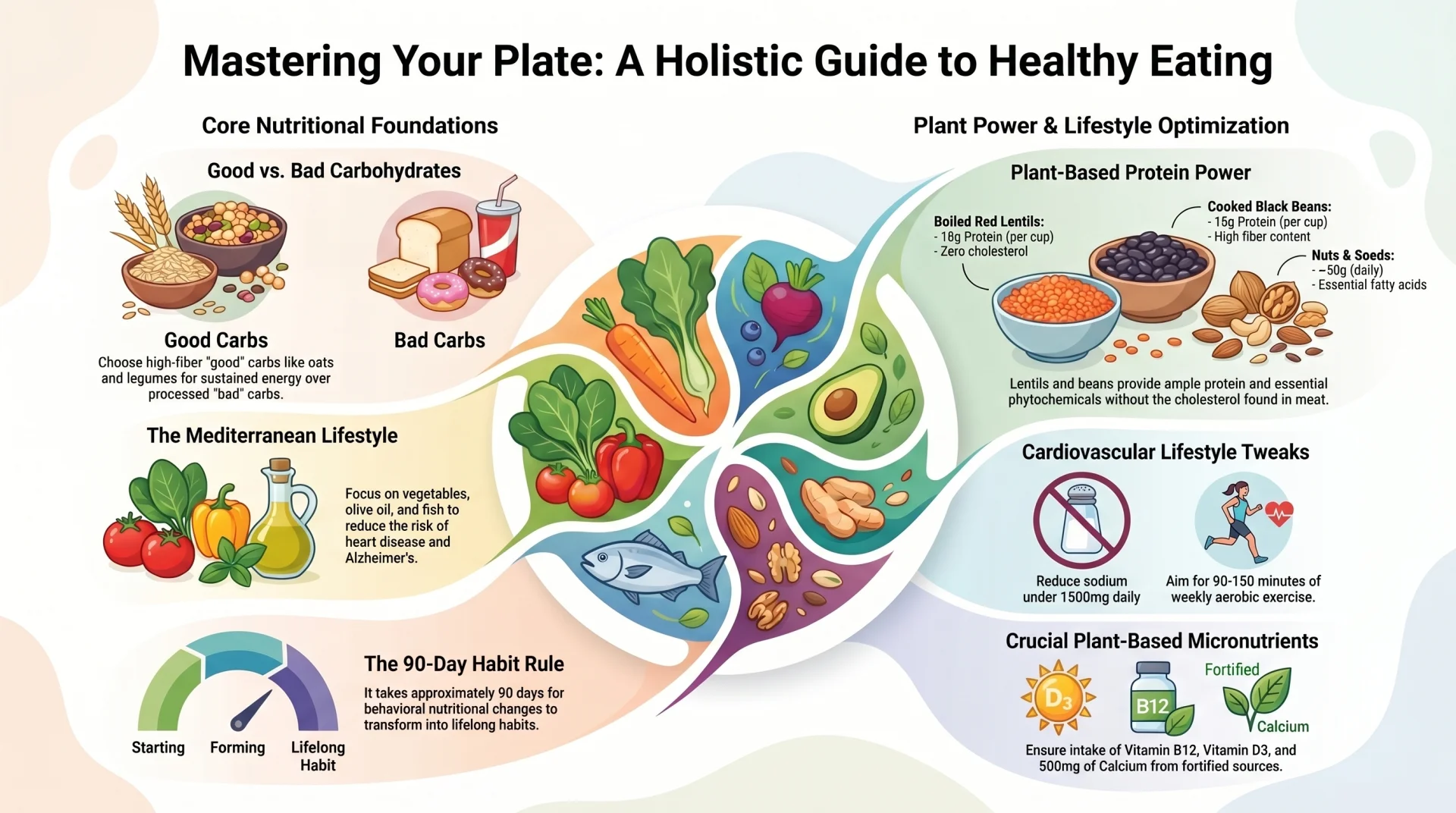
If you've ever started a restrictive diet only to find your resolve crumbling weeks later, understand that you aren't fighting a lack of willpower. You're fighting your own neurobiology. Behavioral science shows that the "quick fix" is a physiological myth. True transformation, moving your body toward a state of metabolic balance, requires a dedicated 90-day window.
This is the biological timeline your neural pathways need to rewrite themselves and for new behaviours to become effortless habits. At Weight Medics, we encourage our patients to shift their perspective from temporary deprivation to a 90-day commitment to biological recalibration. When we allow our systems to catch up with our intentions, "dieting" becomes a sustainable state of health.
1. The Truth About the "Carb Boogeyman"
Carbohydrates are frequently cast as the primary metabolic villain. But the biological reality calls for a more precise distinction. The key to metabolic efficiency isn't eliminating carbohydrates. It's understanding how they influence your blood chemistry.
The quality of a carbohydrate is determined by the speed of its enzymatic breakdown. The Glycaemic Index (GI) measures how rapidly a food converts to glucose and enters the bloodstream. A more useful metric, though, is the Glycaemic Load (GL), which accounts for both the sugar speed and the actual portion size of the carbohydrate. Foods with a low GI and GL, such as oats, legumes, and whole-wheat grains, are absorbed slowly. This gradual release prevents the aggressive insulin spikes and subsequent hypoglycaemic crashes that trigger intense sugar cravings.
Prioritising these "good carbs" is a meaningful lifestyle win that extends well beyond weight management. By focusing on high-fibre, slow-digesting fuel, you optimize your internal environment, lowering blood pressure, improving lipid profiles, and stabilising insulin levels. This is a particularly valuable strategy for those managing pre-diabetes or Type 2 diabetes. The Weight Medics clinical team can help you identify which carbohydrate swaps will make the biggest difference for your individual health profile.
"The so-called 'bad carbs' are highly processed foods, such as white bread, white sugar, and sugary snacks, that have been stripped of important nutrients and fibre."
2. The Longevity Formula of the Mediterranean Lifestyle
The Mediterranean diet is less a restrictive regimen and more a "recipe for longevity" that mirrors the eating patterns of 1950s Crete. Its enduring success lies in its sustainability. It was born from a culture of community and affordable, seasonal abundance. By focusing on whole, plant-centric foods, this lifestyle offers a remarkable 20% reduced risk of premature death at any age.
This approach emphasises the daily consumption of vegetables, fruits, whole grains, and healthy fats like olive oil. Protein is primarily sourced from legumes and seeds, with fish and seafood appearing twice weekly. Poultry, dairy, and eggs are kept to moderate portions, while red meat and refined sweets are reserved for rare, celebratory occasions.
Because it targets systemic inflammation and promotes cardiovascular health, the Mediterranean lifestyle serves as a powerful biological shield. It is scientifically proven to protect against:
- Heart Disease
- Obesity
- Type 2 Diabetes
- Parkinson's Disease
- Alzheimer's Disease
Weight Medics practitioners often recommend the Mediterranean approach as a starting framework for patients who want a flexible, enjoyable eating pattern that supports long-term weight management goals.
3. The Great Protein Myth (Plants vs. Meat)
One of the most persistent fallacies in nutrition is the belief that animal protein is the only "complete" or necessary source for human health. In reality, plant-based proteins are more than sufficient to meet human requirements and offer a distinct advantage: they contain zero cholesterol and are packed with phytochemicals that reduce oxidative stress.
For instance, one cup of boiled red lentils provides 18g of protein, while a cup of black beans offers 15g. Modern staples like Quorn and tofu further diversify the plant-based palette. To maintain muscle mass and metabolic function, men (and all vegans) should aim for 60g of daily protein, while vegetarian women require approximately 50g.
"Plant foods like beans, lentils, nuts, and whole grains provide ample protein, alongside vitamins and phytochemicals not found in meat or dairy."
While transitioning to a plant-heavy plate is a powerful tool for weight loss, it requires a thoughtful approach to micronutrients. To avoid nutritional gaps, make sure you're monitoring your intake of:
Calcium: 500mg RDA (leafy greens and fortified milks)
Iron: 12mg RDA
Vitamin B12: sourced via supplements or yeast-based extracts like Marmite
Vitamin D3
Omega-3s: 50g of nuts/seeds daily or flaxseed oil to support healthy cholesterol
Your WeighMedics clinician can review your dietary intake and recommend appropriate supplementation where needed.
4. The "1kg = 1mmHg" Rule for Heart Health
When we address cardiovascular health, we often overlook the profound impact of incremental progress. The data reveals a clear, linear correlation: for every 1 kilogram of body weight lost, your systolic blood pressure typically drops by 1 mmHg.x
This "small win" perspective is fundamentally more motivating than fixating on distant weight goals. Within your first 90 days, losing even 3kg can result in a measurable, biological shift that your GP will notice in your charts. This effect improves significantly when combined with 90 to 150 minutes of weekly aerobic activity and dynamic resistance training, such as squats or push-ups. Together, these help reset your baseline blood pressure and move your body away from the inflammatory state associated with excess adipose tissue.
At Weight Medics, we track these markers with you so that every small win is visible, recorded, and celebrated.
5. The Power of Non-Pharmacological Tweaks
True health is a connected system where nutrition, movement, and hydration work in tandem. Beyond the specific composition of your plate, several non-pharmacological adjustments can dramatically influence your health markers.
Sodium management is a primary pillar of cardiovascular health. Aiming for under 1500mg daily requires a watchful eye for hidden salts in processed snacks, soy sauce, and takeaway meals high in MSG. Maintaining a hydration level of 1.5 to 2 litres daily is also important for metabolic efficiency and renal health. Even strategic supplementation, such as a daily odourless garlic tablet, has been shown to support healthy blood pressure levels through natural vasodilation.
We must also address the systemic impact of a sedentary lifestyle. Physical inactivity is a major contributor to cardiovascular disease and certain cancers because it promotes a stagnant internal environment. Viewing movement not as a "workout" but as a necessary countermeasure to the oxidative stress of sitting ensures your nutrition plan has the metabolic support it needs to succeed. Weight Medics patients receive personalised guidance on activity levels that suit their current fitness and mobility.
Your Next 90 Days
Mastering your plate is about choosing a path that aligns with your unique lifestyle, not forcing a temporary period of self-denial. Whether you lean into the Mediterranean tradition or build your meals around the plant-based power of legumes and grains, the most effective plan is the one that prioritises whole, minimally processed foods and consistent movement.
As you look toward the next three months, remember that you're not just changing your lunch. You're training your biology. This 90-day window is your opportunity to reclaim your metabolic health with the support of the Weight Medics team behind you. Which "small tweak" will you commit to today? Perhaps monitoring your sodium, adding a daily walk, or swapping a processed carb for a protein-rich legume. Start now, and let your biology show the results by the season's end.
What does mastering your plate mean for weight loss?
Mastering your plate is about building a practical, everyday approach to healthy eating for weight loss. It means learning which foods keep you fuller for longer, how to balance your portions without obsessing over every gram, and how to develop habits you’ll actually stick with.
Think of it less as a diet and more as a skill. Once you understand how different foods affect your hunger, energy, and progress, making better choices becomes second nature rather than a constant battle.
Is calorie counting enough to lose weight?
On its own, not usually. Calories matter, but they’re only part of the picture. Two meals with identical calorie counts can have very different effects on your hunger levels, blood sugar, energy, and how satisfied you feel afterwards. A sustainable weight loss plan accounts for food quality, protein intake, fibre, sleep, stress, and movement patterns. Focusing purely on numbers often leads to short-term results that don’t last because the underlying eating habits haven’t actually changed.
What is the best diet for long-term weight loss?
The honest answer is that the best diet for weight loss UK patients can follow long-term is one that fits their real life. Crash diets and extreme restrictions might show quick results, but they rarely stick. The approaches with the strongest evidence behind them, like the Mediterranean diet, focus on whole foods, balanced nutrition, and flexibility. A good plan gives you enough variety and satisfaction that you don’t feel deprived, which is the single biggest predictor of whether someone maintains their results or not.
What are good carbs for weight loss?
Not all carbs are equal for weight management. The ones worth keeping on your plate are low- GI, fibre-rich options: oats, lentils, quinoa, brown rice, sweet potatoes, beans, and wholegrain bread or pasta. These release energy slowly, which helps control blood sugar and keeps you feeling full between meals. They’re also some of the best foods to eat on GLP-1 medications like Mounjaro (tirzepatide) or Wegovy (semaglutide), where steady blood sugar and consistent nutrition help the treatment work more effectively.
What is the Glycaemic Index (GI)?
The Glycaemic Index is a ranking system that measures how quickly a carbohydrate food raises your blood sugar after eating it. Foods with a high GI (white bread, sugary cereals, some processed snacks) cause a rapid spike followed by a crash, which often triggers hunger again within a couple of hours. Low-GI foods (most vegetables, pulses, wholegrains) release glucose gradually, keeping your energy and appetite more stable throughout the day. For anyone focused on healthy eating for weight loss, choosing low-GI options is one of the simplest changes to make.
What foods are included in the Mediterranean diet?
The Mediterranean diet centres on vegetables, fruits, legumes, olive oil, fish, whole grains, nuts, seeds, and moderate amounts of dairy and poultry. Red meat and processed foods are kept to a minimum. It’s consistently rated as one of the best approaches for long-term health and weight management because it doesn’t cut out entire food groups. For patients looking for the best diet on weight loss injections, the Mediterranean model pairs particularly well with GLP-1 treatments because it prioritises nutrient density and protein without being overly restrictive.Can plant protein help with weight loss?
Absolutely. Plant protein for weight loss is backed by solid evidence. Foods like lentils, chickpeas, black beans, tofu, tempeh, and edamame are high in both protein and fibre, which means they keep you feeling satisfied for longer than many animal-based alternatives. They’re also lower in saturated fat. You don’t need to go fully plant-based to benefit. Even swapping two or three meals a week to plant-protein sources can improve fullness, support muscle maintenance during weight loss, and add more variety to your diet.
Does losing weight lower blood pressure?
Yes, and the effect can be significant. Research consistently shows that even a modest reduction in body weight, around 5 to 10%, can lead to measurable improvements in blood pressure. For patients using GLP-1 medications like Mounjaro (tirzepatide) or Wegovy (semaglutide), the combination of medication-supported weight loss and improved nutrition often produces noticeable changes in cardiovascular markers within the first few months. That said, blood pressure should always be monitored by a clinician, especially if you’re on existing medication for it.
How much water should I drink for weight loss?
Most adults benefit from around 1.5 to 2 litres per day, though your exact needs depend on your body size, activity levels, climate, and whether you’re taking medication that affects hydration. Drinking enough water supports digestion, helps your body process nutrients efficiently, and can reduce the tendency to mistake thirst for hunger. If you’re on GLP-1 treatments, staying well hydrated is especially important because these medications can sometimes cause mild dehydration as a side effect.
Can Weight Medics help me create a healthy eating plan?
Yes. Weight Medics provides personalised weight loss clinic UK diet support as part of its treatment programmes. Rather than handing you a generic meal plan, their clinicians work with you to build a realistic nutrition strategy based on your health profile, food preferences, and weight loss goals. Whether you’re managing your weight through lifestyle changes alone or combining healthy eating with a prescribed treatment like Mounjaro (tirzepatide), the support is tailored to what will actually work for your day-to-day life.
Does Weight Medics provide doctor-led weight loss support?
Yes. Every Weight Medics programme is clinician-led, with UK-registered doctors overseeing your treatment from the initial assessment through to ongoing reviews. That includes nutritional guidance, medical monitoring, and regular check-ins to adjust your plan as your body changes. It’s this structured, medical approach that separates a proper sustainable weight loss plan from the kind of generic advice you’ll find on most diet websites. Your GP is kept informed throughout treatment as well.
Can I combine healthy eating with weight loss injections?
Yes, and in fact that’s how the best results happen. GLP-1 medications like Mounjaro (tirzepatide) and Wegovy (semaglutide) work by reducing appetite, but they’re designed to be used alongside dietary and lifestyle improvements, not as a replacement for them. Knowing the best foods to eat on GLP-1medications, particularly protein-rich, low-GI options, helps you get more from each dose while maintaining energy and muscle mass. Weight Medics builds this nutritional guidance into its treatment programmes so patients aren’t left guessing what to eat while on medication.