Medically reviewed by:

Roughly one in three adults in the UK lives with high blood pressure, and most do not even know it. The good news is that food, movement and a handful of daily habits can do far more than people expect, both for treatment and for high blood pressure prevention before it ever becomes a diagnosis. Before reaching for medication, many GPs across the UK recommend trying lifestyle changes first, and for good reason. They work, and they bring weight loss along with them.
Why Diet and Weight Matter So Much for Blood Pressure
Blood pressure and body weight are closely connected. Even a modest drop in weight, around 1 kg, can lower your blood pressure by about 1 mmHg. That might sound small, but it adds up quickly for anyone carrying extra weight. Losing a stone could mean a genuinely meaningful reduction, often enough to keep you off tablets altogether or reduce the dose you need.
This is where diet becomes the real engine of change. It is not about starving yourself or cutting out entire food groups overnight. It is about consistent, sensible choices that your body responds to over weeks and months.
The DASH Diet: Still the Gold Standard
If you ask any nutritionist in the UK what the best diet for high blood pressure looks like, the answer usually comes back to DASH, the Dietary Approaches to Stop Hypertension plan developed by the National Heart, Lung and Blood Institute. It focuses on:
Fruits, vegetables and whole grains eaten daily, with low fat dairy replacing full fat versions wherever possible. Saturated fat and total fat intake are kept low, while fibre and potassium rich foods take centre stage.
The plan is flexible enough to suit British tastes too. Porridge with berries for breakfast, a big salad with grilled chicken for lunch, and a vegetable heavy stir fry for dinner all fit comfortably within DASH principles.
Related Blog: Beyond the Calorie Count: 5 Science-Backed Secrets to Mastering Your Plate
Cut the Salt, Not the Flavour
Sodium is the biggest dietary villain when it comes to blood pressure. The optimal target is under 1500 mg a day, which is far less than most of us consume without realising it. A few practical swaps make a real difference:
Choose a reduced sodium salt such as Lo Salt for cooking and seasoning. Be wary of Chinese takeaways, since many dishes are loaded with monosodium glutamate. Crisps, ready meals and soy sauce are also common hidden sources of salt worth watching closely.
Herbs, garlic, lemon juice and chilli can replace much of the flavour that salt would otherwise provide, without any of the downside.
Move Your Body, Even a Little
Exercise plays a bigger role than most people assume. Aim for 90 to 150 minutes of aerobic activity each week, whether that is swimming, brisk walking, jogging or cycling. Pick something you actually enjoy, because consistency beats intensity every time.
Alongside this, add some resistance work two or three times weekly. Squats, stair climbing, push ups or simple bicep curls with light weights all count. This combination of aerobic and resistance training has been shown repeatedly to bring blood pressure down over time.
If exercise alone has not shifted the number on the scale, a structured programme built around your goals might help more than willpower ever could. Our weight loss packages are designed around exactly this kind of sustainable change.
Alcohol, Caffeine and Staying Hydrated
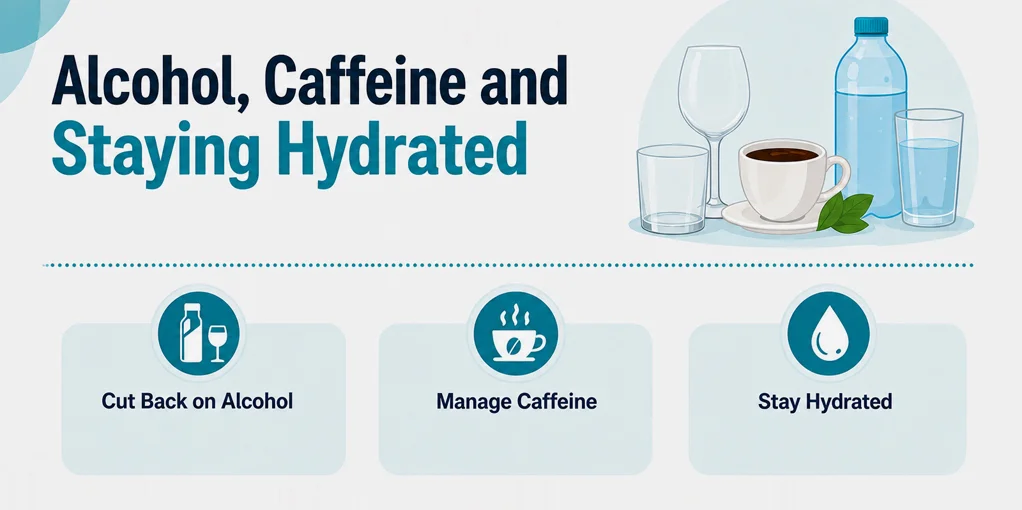
Cutting back on alcohol helps too. If you drink, aim for no more than two units a day if you are male, or one if you are female, though stopping entirely brings the biggest benefit. The same logic applies to caffeine. Switching to decaffeinated tea and coffee removes one more stimulant pushing your blood pressure upward.
Do not forget water. Drinking at least 1.5 to 2 litres of fluid daily supports circulation and helps your kidneys manage sodium properly, something that is easy to overlook amid all the other advice.
Garlic: A Small Addition With Real Evidence
A daily odourless garlic tablet, taken each morning, has decent evidence behind it. Research published in Experimental and Therapeutic Medicine found garlic supplementation lowered blood pressure in hypertensive patients, improved arterial stiffness and even benefited gut bacteria. It is a small, low risk addition worth discussing with your GP or clinician.
When Lifestyle Changes Are Not Quite Enough
Give these changes a proper trial, around two weeks of consistent effort, and monitor your readings. If your blood pressure remains high despite genuine effort, it is time to speak to a GP or a registered clinician for further assessment. Sometimes diet and exercise need extra support, particularly if excess weight has built up over years. For patients who need clinically guided help, our weight loss injections programme offers doctor led support alongside dietary coaching, tailored specifically for long term, sustainable results rather than a quick fix. You can check your eligibility through ourfree online assessment in a few minutes.
Understanding how foods affect your body more broadly also helps. Our guide on glycaemic load and weight loss explains why some carbohydrates spike blood sugar and hunger far more than others, which ties directly into both weight control and cardiovascular health. For a deeper look at high blood pressure prevention, our dedicated article walks through each of these lifestyle strategies in more detail.
Whatever stage you are at, you do not need to manage this alone. If you are based in the capital and looking for a doctor led weight loss clinic London patients trust, our clinicians are on hand to build a plan around your health history, not a generic template.Get in touch with our team to discuss what would genuinely work for you.
This article is for general information and does not replace personalised medical advice. Always consult your GP or a registered clinician before making significant changes to your diet, exercise routine or medication.
Can losing weight really lower my blood pressure without medication?
Yes, for many people it can. Studies consistently show roughly 1 mmHg reduction for every kilogram lost, and combined with reduced sodium intake and regular activity, some patients avoid medication entirely or reduce their dosage under medical supervision.
How much salt should I actually be eating each day?
The optimal target is under 1500 mg of sodium daily, though most people in the UK consume well above this without realising it, largely from processed foods, takeaways and hidden sources like soy sauce and crisps.
Is the DASH diet difficult to follow long term?
Not particularly. It is built around foods most people already enjoy, fruits, vegetables, whole grains and lean proteins, just with less salt and saturated fat. Many patients find it easier to sustain than more restrictive diets because it does not eliminate entire food groups.
Does garlic supplementation actually work for blood pressure?
There is reasonable clinical evidence supporting odourless garlic tablets for modest blood pressure reduction, along with improvements in arterial stiffness. It should be used in addition to diet and exercise, not instead of.
What are the warning signs for when I should see a doctor about my blood pressure?
If your readings are still high after about two weeks of making regular lifestyle changes, or you are experiencing symptoms such as headaches, dizziness or chest pain, then don’t wait any longer, but book an appointment with your GP as soon as possible.
What if diet doesn’t work? What about a weight loss clinic?
Yes. Structured, doctor led programmes can identify barriers that diet alone cannot address, including hormonal factors or medication needs, as well as provide ongoing monitoring that significantly improves outcomes compared to going it alone.